Coordinating Hardware Lifecycle Management with Evolving Cybersecurity Measures
Written by Avery Schmitt · Oct 11, 2026
Coordinating Hardware Lifecycle Management with Evolving Cybersecurity Measures
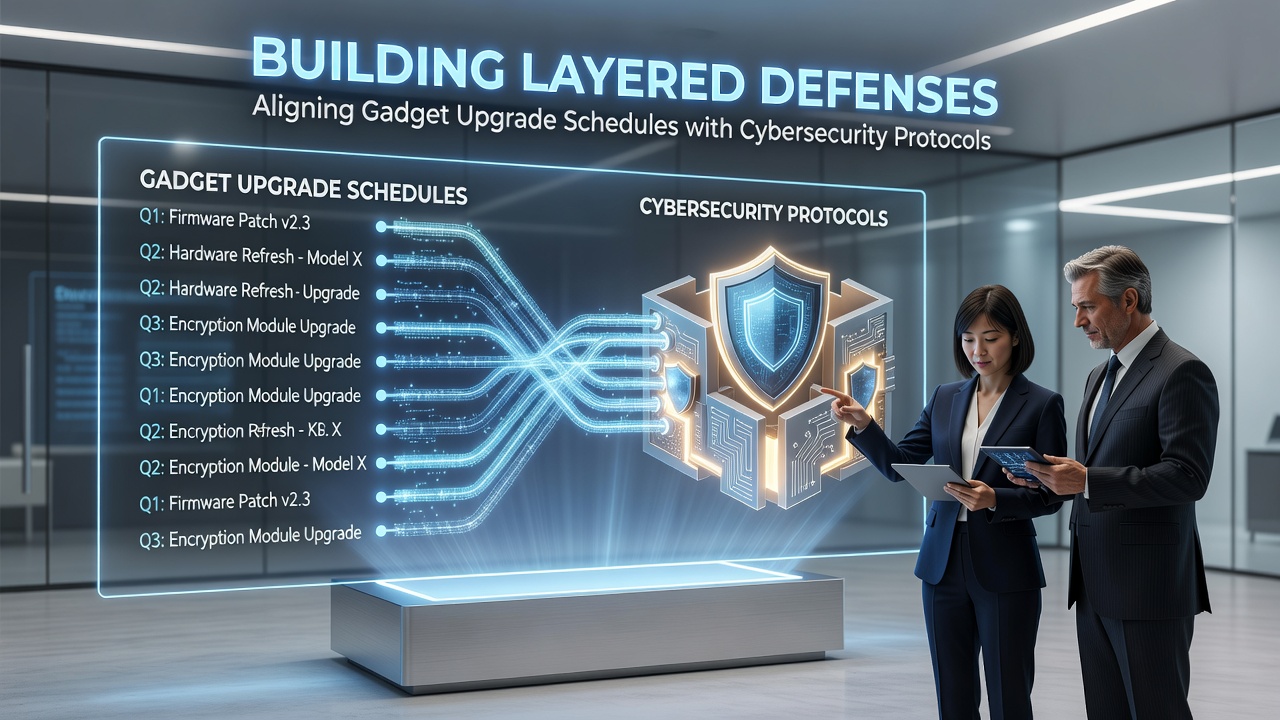
Organizations align gadget upgrade schedules with cybersecurity protocols to create layered defenses that address both physical hardware vulnerabilities and software-based threats in a synchronized manner. This coordination ensures devices receive security enhancements at the same intervals as protocol updates, which reduces exposure windows that emerge when outdated hardware meets new threat vectors. Data from multiple sectors shows that mismatched timelines leave systems open to exploits that target legacy firmware or unsupported components.
Core Principles of Synchronization
Hardware renewal cycles typically span three to five years for most enterprise endpoints, yet cybersecurity protocols often demand patches and configuration changes on a monthly or quarterly basis according to sources like the NIST Cybersecurity Framework. Alignment begins when teams map these cycles onto a shared calendar that flags both firmware end-of-support dates and protocol revision releases. Observers note that such mapping prevents scenarios where a device remains in service after its operating system loses vendor support while new authentication standards roll out simultaneously.
Researchers at government agencies have documented cases where synchronized upgrades cut incident response times because hardware and software layers receive coordinated attention rather than sequential fixes. For instance, when a router reaches its scheduled replacement window, teams can deploy models that already incorporate the latest zero-trust architecture requirements instead of retrofitting older units.
Implementation Steps Across Different Environments
Enterprises start by auditing current device inventories and cross-referencing them against published end-of-life schedules from manufacturers. They then overlay these dates with cybersecurity protocol calendars issued by bodies such as the European Union Agency for Cybersecurity. The resulting timeline identifies overlap points where both hardware replacement and protocol enforcement can occur together.
In October 2026 several major vendors plan firmware updates that coincide with anticipated protocol revisions around post-quantum cryptography migration. Teams that prepare upgrade batches in advance can bundle new devices with the required protocol settings during initial deployment, which eliminates separate configuration waves later. This approach applies equally to office workstations, IoT sensors in manufacturing facilities, and mobile fleets used by field personnel.
Technical Components That Benefit from Alignment
Secure boot mechanisms, hardware-based encryption modules, and network interface controllers all gain from coordinated refresh cycles because newer silicon often ships with built-in support for updated protocol suites. When upgrade schedules drift out of phase, administrators must maintain compensating controls such as virtual patching or network segmentation that add operational overhead without addressing root causes.
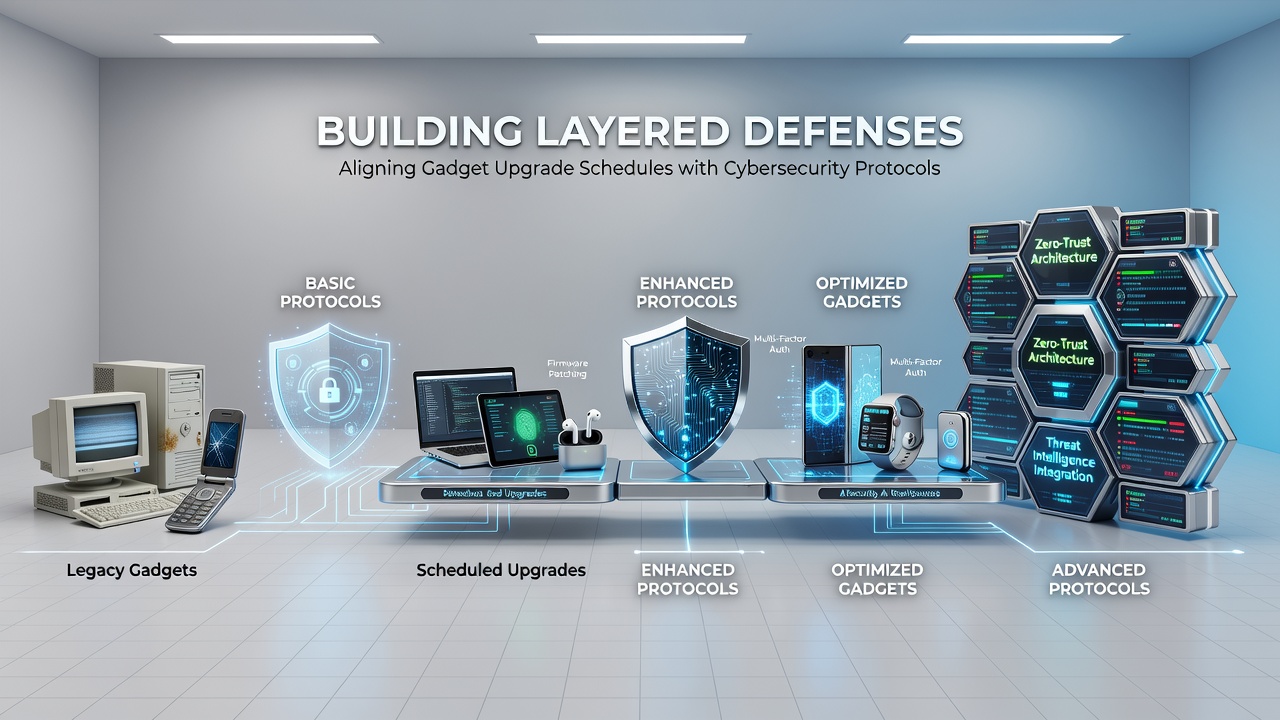
Studies of multi-site deployments reveal that organizations maintaining joint calendars experience fewer instances of protocol violations stemming from unsupported hardware. The same data indicates reduced costs associated with emergency procurement when hardware reaches end-of-support just as a critical vulnerability disclosure requires immediate action.
Monitoring and Adjustment Mechanisms
Continuous assessment involves logging firmware versions alongside protocol compliance scores within teh same dashboard. Automated alerts trigger when a device approaches both its hardware renewal date and an upcoming protocol change simultaneously. This dual-trigger system allows procurement and security teams to coordinate purchases and configurations without creating separate project tracks.
Case examples from regulated industries demonstrate that aligned schedules also simplify audit preparation because documentation covers both hardware provenance and protocol adherence under unified records. Auditors can trace a single timeline rather than reconciling two independent logs.
Conclusion
Effective layered defenses emerge when hardware lifecycle management integrates directly with cybersecurity protocol timelines rather than running in parallel. Organizations that treat these elements as interconnected achieve consistent protection across physical and digital layers while minimizing redundant administrative effort. Ongoing refinement of shared calendars keeps pace with vendor announcements and regulatory updates, ensuring devices and protocols evolve together instead of creating temporary gaps.