Examining Network Configuration Effects on Data Security in Homes Filled with Connected Gadgets
Written by Noah Carter · Oct 25, 2026
Examining Network Configuration Effects on Data Security in Homes Filled with Connected Gadgets
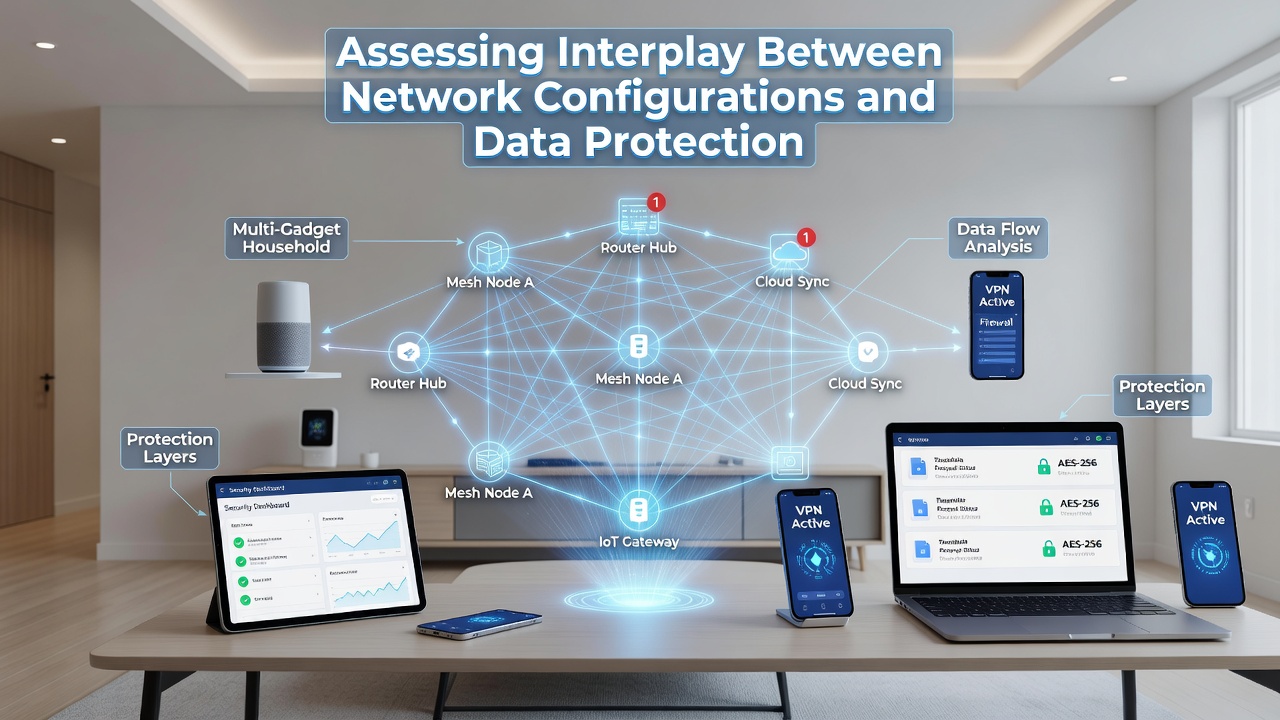
Households now contain an average of fifteen or more internet-connected devices according to industry surveys conducted through 2025, and this growth creates direct interactions between how networks get configured and how personal information stays protected. Network configurations cover elements such as router firmware settings, device segmentation rules, firewall policies, and bandwidth allocation methods, while data protection involves encryption standards, authentication protocols, and access logging practices that limit unauthorized exposure.
Researchers at various academic institutions have tracked how default router settings often leave multiple entry points open when new gadgets join the network, and these openings can allow lateral movement between devices that handle sensitive information like health monitors and financial applications. Studies released in October 2026 from North American research groups showed that homes using basic network address translation without additional segmentation experienced higher rates of data interception attempts compared with setups that employed virtual local area networks to isolate entertainment systems from work computers.
Core Elements of Network Configurations in Device-Heavy Residences
Modern routers support features including quality of service prioritization, guest network isolation, and automatic firmware updates that directly affect the attack surface available to external threats. When administrators enable port forwarding for gaming consoles without restricting inbound traffic rules, for instance, the configuration can inadvertently expose storage devices attached to the same network. Data from government cybersecurity agencies in Canada and Australia indicate that misconfigured dynamic host configuration protocol assignments have contributed to repeated incidents where smart home sensors transmitted unencrypted readings to external servers.
Segmentation stands out as one technique that separates traffic flows among categories such as media streaming units, mobile phones, and security cameras. Observers note that households applying media access control address filtering alongside regular password rotation reduce the likelihood of persistent unauthorized connections, although these measures require consistent maintenance as device counts increase. Experts from European regulatory bodies have documented cases where unified network topologies allowed a single compromised appliance to access files stored on personal computers because no boundary rules prevented cross-device communication.
Data Protection Mechanisms and Their Dependence on Network Design
Encryption protocols function most effectively when network paths remain controlled and monitored, which means that configurations supporting secure sockets layer inspection or virtual private network tunnels provide additional layers around data in transit. In multi-gadget environments, devices often rely on different operating systems with varying support for certificate validation, adn network-level controls such as domain name system filtering can block connections to known malicious endpoints before encryption even begins. Figures released by the United States Cybersecurity and Infrastructure Security Agency reveal that households maintaining centralized logging at the router level detected anomalous data transfers earlier than those depending solely on individual device notifications.
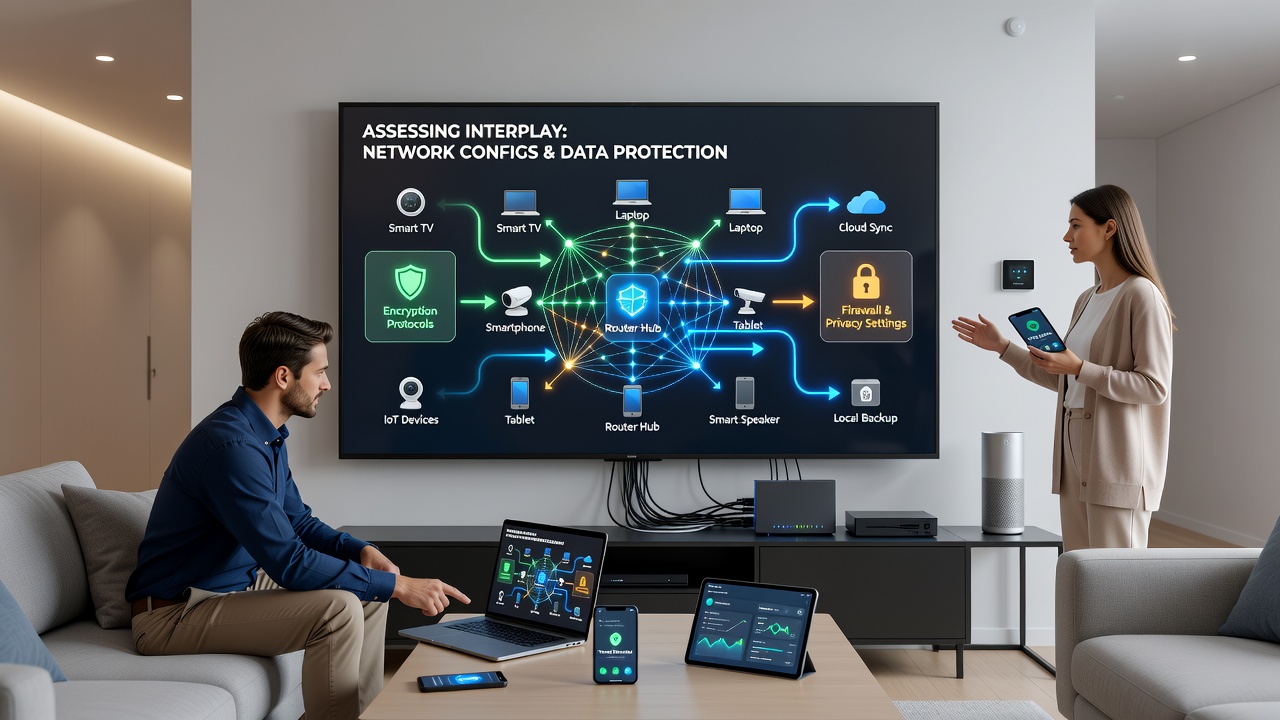
Access control lists defined at the network gateway level complement device-specific permissions by enforcing rules that prevent certain gadgets from reaching cloud storage services outside approved regions. Those who've studied residential cybersecurity patterns observe that firmware versions lacking support for the latest Wi-Fi security standards create compatibility gaps when newer phones attempt to connect, sometimes forcing fallback to weaker protocols that weaken overall protection. Research indicates that homes updating router software on a quarterly schedule alongside device operating systems experience fewer successful intrusion attempts, particularly when combined with two-factor authentication requirements across all connected accounts.
Interactions Observed in Real Household Scenarios
Take one documented case where a family added several wireless speakers and a video doorbell to an existing network without adjusting the existing firewall rules. Within weeks the configuration allowed data from a connected medical device to route through an external server because the router treated all traffic as internal. Analysts reviewing similar patterns across regions found that such cascading effects appear more frequently in setups lacking regular audits of connected device inventories. Government reports from multiple continents emphasize that households benefit when they map device communication paths before expanding the network, since new additions can alter routing tables in ways that bypass previously secure zones.
Bandwidth throttling and traffic shaping also play roles in protecting data integrity during peak usage periods. When multiple gadgets compete for uplink capacity, configurations that prioritize critical security updates over entertainment streams help maintain consistent protection levels. Industry reports highlight that homes employing these prioritization schemes recorded lower incidences of interrupted encryption handshakes, which otherwise leave sessions vulnerable during reconnection attempts.
Conclusion
Network configurations and data protection measures operate as interconnected systems in households containing numerous connected gadgets, with each adjustment to router policies or segmentation rules producing measurable effects on information exposure risks. Evidence gathered through 2026 demonstrates that proactive management of these elements reduces the pathways available for unauthorized access while supporting the growing number of devices entering daily use. Continued monitoring and updates remain essential as device ecosystems expand and new protocols emerge.