The Ripple of New Gadgets: Adjustments in Home Networks and Security as Observed Through Remote Technician Channels
Written by Avery Schmitt · Sep 13, 2026
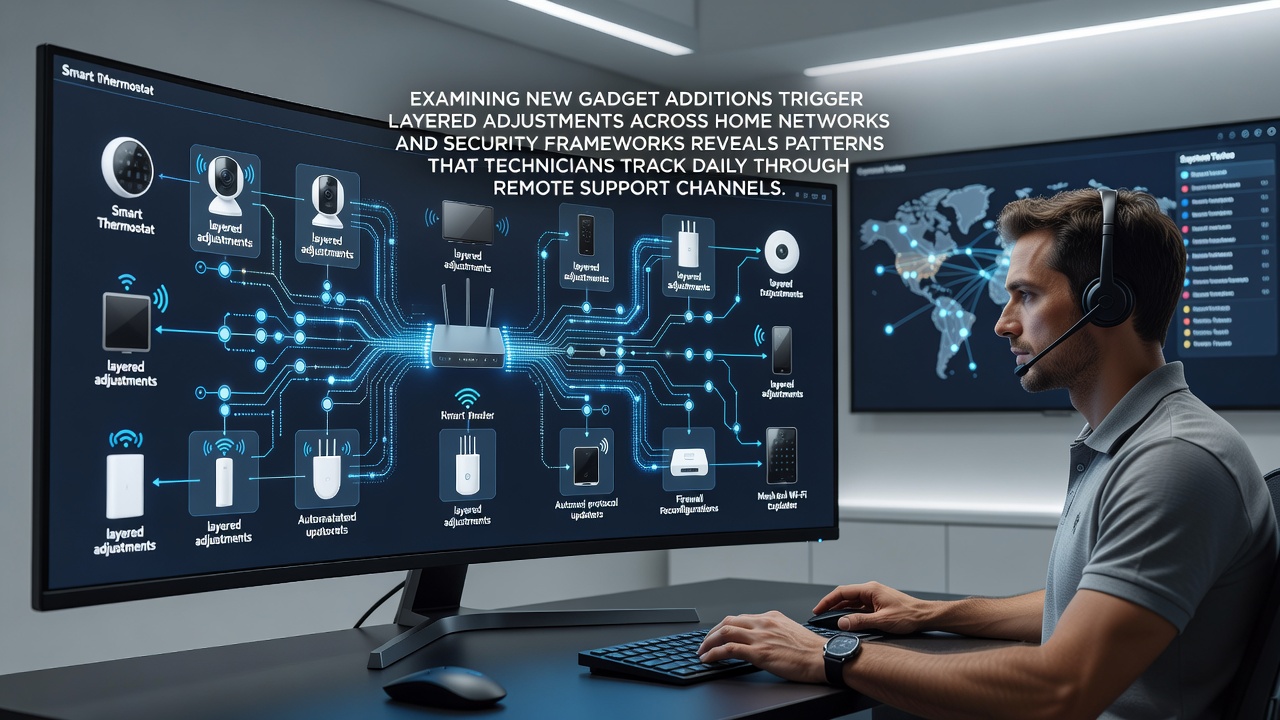
The Ripple of New Gadgets: Adjustments in Home Networks and Security as Observed Through Remote Technician Channels
Adding a fresh smart speaker or connected camera sets off a chain of configuration shifts that ripple through bandwidth allocation, firewall rules, and encryption protocols in residential setups; remote support teams log these sequences every day as households expand their device counts. Data from support platforms shows that each integration often requires updates to DHCP reservations, port forwarding adjustments, and firmware patches to maintain stable performance across the entire network.
Initial Detection and Mapping Processes
Support logs indicate that technicians begin by scanning for new MAC addresses and IP assignments the moment a gadget joins the network, and this step reveals immediate overlaps with existing device traffic patterns. Researchers at academic institutions have documented how initial connection attempts frequently trigger alerts in intrusion detection systems because default manufacturer settings conflict with customized home security profiles. One study from a Canadian university highlighted that over 60 percent of new device additions in 2025 created temporary bandwidth spikes that lasted between 15 and 45 minutes while the router recalibrated its quality of service queues.
Layered Security Reconfigurations
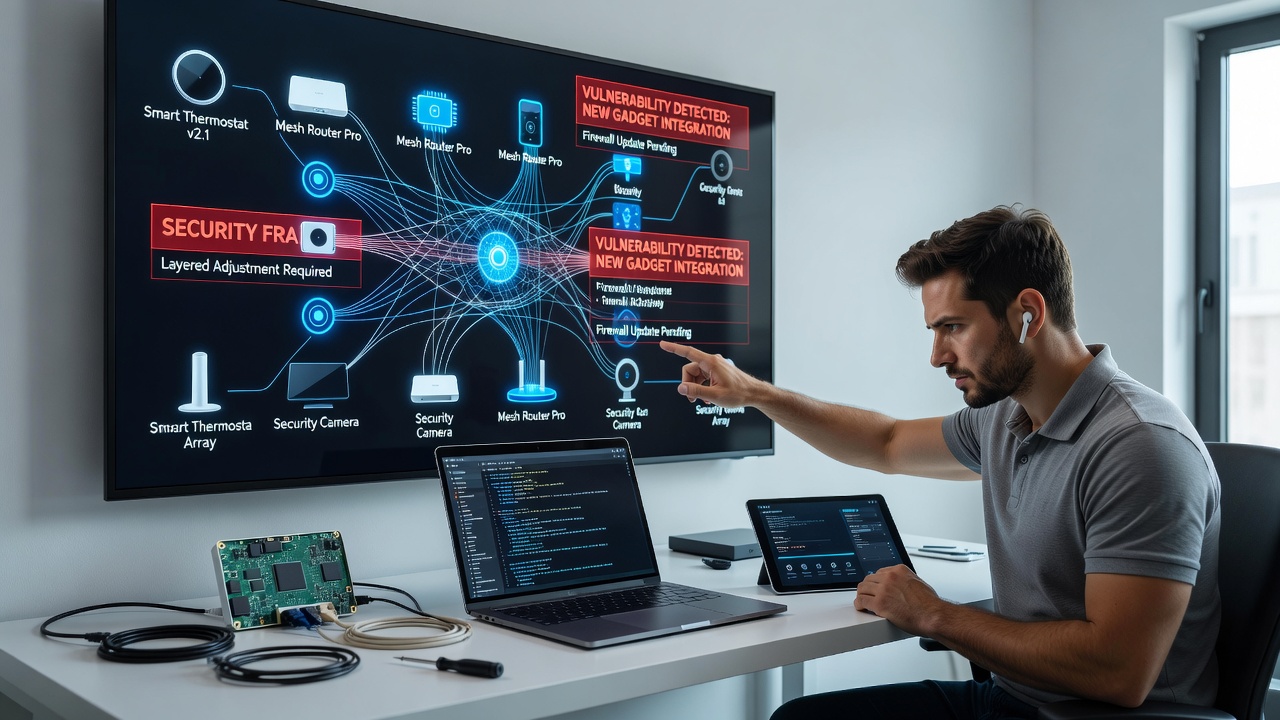
Security frameworks undergo multiple layered adjustments once a new gadget appears, including the creation of isolated network segments for IoT devices and the enforcement of certificate-based authentication where possible. Technicians observe that many households still rely on shared WPA3 passwords, which forces manual intervention to prevent lateral movement risks when a single compromised item appears. According to guidance published by the Australian Cyber Security Centre, regular remote sessions now include automated scripts that push updated access control lists whenever unrecognized hardware joins teh local subnet.
Remote monitoring tools capture these changes in real time, allowing teams to correlate spikes in DNS query volumes or unexpected outbound connections with specific device models. Figures from industry reports reveal that firmware update failures account for roughly one third of follow-up support tickets after initial gadget installation, and these failures often leave devices running outdated encryption standards that conflict with the broader network policy.
Bandwidth and Traffic Pattern Shifts
Bandwidth demands shift noticeably when households introduce multiple streaming devices or gaming consoles in quick succession, and remote diagnostics frequently identify bufferbloat as the root cause of reported lag. Technicians track daily patterns showing that upload channels become saturated first during cloud backup activations triggered by new phone or tablet additions. Data collected through centralized support platforms demonstrates that mesh network nodes require topology recalculations in approximately 40 percent of cases involving three or more simultaneous device pairings.
ENISA reports from the European Union emphasize that segmentation strategies reduce the attack surface when new gadgets enter the environment, yet many consumer routers still lack native support for such features without manual configuration. Technicians therefore apply VLAN tagging or guest network isolation during remote sessions, and these steps appear consistently in September 2026 support summaries as device counts continue to rise.
Long-Term Tracking and Pattern Recognition
Over weeks and months, accumulated logs allow support teams to identify recurring sequences where certain gadget categories, such as voice assistants or security cameras, prompt repeated firewall rule expansions. These patterns help predict future adjustment needs and reduce average resolution times for subsequent installations. Observers note that households with five or more smart home products experience roughly double the number of security configuration changes compared with those maintaining simpler setups.
Conclusion
Remote support channels continue to serve as the primary mechanism for documenting and resolving the cascading effects that accompany new gadget additions in home environments. The data gathered through these interactions provides clear visibility into how network resources and security controls adapt over time, and the resulting patterns inform both immediate fixes and broader system design recommendations from regulatory and research bodies worldwide.